
mm

About Orthopedic Specialists

Orthopedic Specialists of Seattle provides new and advanced procedures including endoscopic carpel tunnel release surgery for carpal tunnel syrome, complex joint restoration procedures, anterior approach hip replacement surgery, and more.

Slippery When Wet – Pedestrian Safety on the Streets of Seattle

The snow flurry that came and went over this Thanksgiving holiday in Seattle gave way to icy roads, wet and slippery sidewalks and driveways across our fair city. As challenging as winter can be in the Pacific Northwest, it is equally a challenging time of year for pedestrians who navigate this great city on two feet.
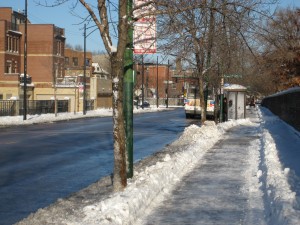
Icy Sidewalk Pedestrian Safety

Most fractures are caused by falls, including fractures of the spine and hip.

Over 95% of hip fractures are caused by falls, and the rate of hip fractures is twice as high for women as it is for men.

The injuries caused by these falls can make it difficult for anyone to enjoy the normal activities of daily living like walking.


Pedestrian Safety Tips

Seattle OSS has a few tips for you to keep in mind while navigating the streets of Seattle including:

  • Proper footwear – Pedestrians should wear the proper footwear for the weather conditions, such as shoes and boots with appropriate traction. Rain, frost, ice, and snow can make walking on footpaths very dangerous, so proper footwear can help prevent a dangerous slip and fall. Also, walkers should wear gloves in order to break their fall if they do slip, and keep gloved hands out of their pockets for the same reason.
  • Proper clothing – Wear high visibility clothing to make yourself more visible to vehicles.
  • Avoid walking on the streets – Freezing weather tends to turn roads into an icy hazard. Be aware of your surroundings and stay on the sidewalks or clear, cleaned paths.
  • If you can’t avoid ice and snow, take shorter, slower steps to reduce the risk of a slip and fall and subsequent injuries, particularly when using the steps at any building as these can be dangerous when covered with snow or ice.

If you experienced a fall and need specialized orthopedic care, the surgeons at Orthopedic Specialists of Seattle provide excellent treatment options available for you.
How to Avoid Upper Extremity Injuries While Enjoying Your Favorite Winter Sports

Falling is Inevitable

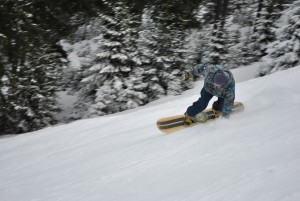
Ice skating, skiing, snowboarding, and other winter sports and activities are common causes of upper extremity injuries.

During the winter months OSS surgeons seem to treat more upper body extremities.

People who live in the Pacific Northwest don’t let rain or snow get in the way of outdoor activities, which can sometimes carry with it potential injury.

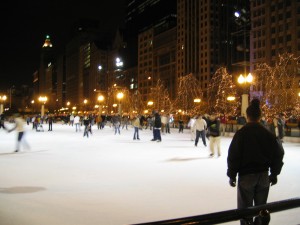
Ice Skating

Winter Sport Injuries

If you’re learning how to ski for the first time or are an avid skier, falling is inevitable. Skier’s thumb, or an injury of the ligaments that connect the bones in your thumb, is a common upper extremity skiing injury. The injury occurs when, during a fall, the ski pole handle places sideways pressure on the thumb causing stress to the ligament.

To prevent injury to the ligament during a fall, avoid using the wrist straps of the ski pole or keep them loose to allow you to quickly release the poles. Simple finger grooves in the handle have ergonomic appeal, allowing easy grasp.Skaters and snowboarders share a similar risk of falling. Wrist and elbow fractures are most at risk as while attempting to catch ourselves with an outstretched arm.

Skaters and snowboarders share a similar risk of falling. Wrist and elbow fractures are most at risk as while attempting to catch ourselves with an outstretched arm.

How to Avoid Upper Extremity Injuries While Enjoying Your Favorite Winter Sports

OSS would like to offer the following tips to avoid falling in any winter sport:

  • Use properly maintained equipment adjusted for your body, skill level and terrain. Consider taking classes from a professional instructor who can give you safety advice.
  • General conditioning prior to engaging in wintertime sports optimizes your strength and endurance as well as decreases the likelihood of falls.
  • Be aware of your terrain and snow conditions, as well as people of all skill levels who may or may not know how to stop.
  • Plan ahead when preparing to exit a ski lift, and communicate your plan to other passengers.
  • Respect pain and fatigue. It is important to know your limits and recognize the signs of fatigue and stop before your body is unable to keep up with you.
Winter Sports | Snowboarding

A rule of thumb when you are out and about enjoying your favorite winter sports is to attempt to fall toward your uphill side and avoid reaching out or behind you while skiing or snowboarding. Use your forearms.

Falling safely is a skill you can practice and master, beginning on easier slopes. Wrist guards are particularly important for snowboarders. Boarding gloves with built-in wrist guards are available.

If you do experience pain after a fall while enjoying one of these winter activities, it is very important to be evaluated by an OSS physician. OSS physicians are experts in sports medicine for adults and children.

If you believe you are suffering from a winter sports injury and need specialized orthopedic care, the surgeons at Orthopedic Specialists of Seattle provide excellent treatment options available for you. Please feel free to contact OSS at (206) 633-8100 to schedule an appointment.
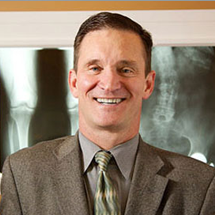
OSS Provider Spotlight – Dr. Jonathan Franklin

Dr. Jonathan Franklin is one of the many talented surgeons at Orthopedic Specialists of Seattle.

We had an opportunity to catch him from his busy schedule and find out some interesting and fun information about him.

Dr. Jonathan Franklin Info Page

Dr. Jonathan Franklin

1) Why did you choose Orthopedics with a specialty in arthroscopic and reconstructive knee surgery, arthroscopic shoulder surgery, as well as hip and knee replacement surgery?

I grew up in a family of doctors. My father and both of my brothers are physicians, so I was exposed to medicine early along.

I was always interested in sports, and after injuring my knee wrestling in college, and experiencing surgery and rehab myself, I decided that orthopedic surgery was most interesting to me. I especially respected the orthopedist who treated me.

It seemed that orthopedics was a specialty in which I could take care of patients who were motivated to get back to their pre-injury status.

2) How long have you lived in Seattle?

I am a Seattle native, and always knew I would return to the Northwest. My parents and both brothers and their families live in the Seattle area. I love the outdoors, the water, the mountains, and the boating and fishing that Seattle has to offer.

3) Are you involved in the community?

Outside of work, I enjoy spending time with my family. My wife, Cynthia, grew up in Oregon. We are now empty nesters, with both boys out of school. Our oldest son started an online invitation company with an office in downtown Seattle, and our youngest son is a business analyst at a consulting firm in San Francisco.

For many years, I coached my boys’ teams in football, baseball, and soccer. I look forward to annual fishing trips to Canada or Alaska with my family. I also enjoy bicycle riding with my wife.

4) Have you been published, made any medical advances or studied new procedures?

During my residency at the University of Washington and my fellowship in Salt Lake City, I published many papers and presented at several national meetings on various knee and shoulder topics. I continue my academic involvement on the clinical faculty at the University of Washington as a preceptor for medical students and teaching residents.

‘Mixin’ It Up’ Does Wonders for Kids in Sports

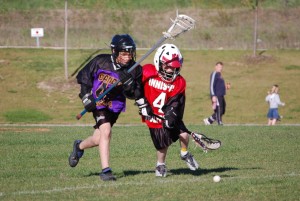
Fall and winter sports season is upon us! Boys are playing football. Girls are doing their cheer routines at games.

Cross-country, field hockey, tennis, and volleyball players are in full swing at high schools across the country.

While kids are eager to jump right into these activities, injuries this time of year increase.

Kids Sports

Why Do More Sports Injuries Occur in the Fall and Winter?

  • Sudden increases in activity level
  • Unpredictable weather and changes in playing surface. Shifting weather patterns are another factor that contributes to sports injuries in the fall and winter.
  • Muscle fatigue – During the summer months, kids move freely. Suddenly, when school starts, students are cramped into an uncomfortable school desk for eight hours a day. The hips remain flexed at 90-degrees, and the brain focuses on keeping the hip flexors, hamstrings, and spinal erectors engaged to maintain a sitting position. Unfortunately, these are the opposite muscles the body needs to prevent common sports injuries.

What Are the Most Common Fall and Winter Sports Injuries and How Are They Prevented?

Slowly ramping up activity levels over the course of a few months leading into preseason can minimize the risk significantly.

Students should spend at least 10 minutes warming up every practice and devote twice as long to end-of-practice stretches to prevent injuries including:

Middle-school-age children come in with growth plate injuries. A growth plate injury occurs at either end of the leg bone.

A damaged growth plate may lead to arthritis, crooked bones, or limbs that do not grow long enough — although these circumstances are rare. More often than not, kids rebound from a growth plate injury without any further consequences.

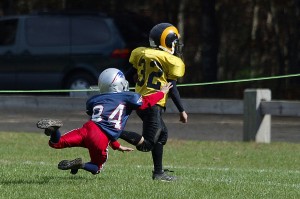
Kids Football

To prevent these injuries, be sure you oversee your child’s strength training to ensure he or she is not lifting too much weight too fast. You also want to see that your child is using the proper form.

Playing in extreme cold, certain medications, neurological disorders, metabolic diseases, and genetic factors are believed to all play a role in the development of growth plate injuries as well. It is important to speak with a sports medicine professional to determine whether your child may be at risk for a growth plate injury.

When high school athletes begin to get tired, they get sloppy. Fatigue is the number one factor in ankle sprains. Teach your child to recognize signs of fatigue so he or she can request a break if the coach doesn’t see it.

Some of these early signals may include some or all of the following symptoms:

  • Inconsistent performance
  • Decreased focus
  • Shortness of breath
  • Muscle twitches
  • Depression or irritability
  • Severe thirst
  • Generalized weakness
  • Nausea
  • Muscle cramps
  • Dizziness
  • Headaches

According to Dr. Downer, “Mix it up, don’t just play one sport. Instead be diverse and try different types of sporting activities throughout the year. Staying active keeps you well-conditioned and less likely to experience an injury.”

If you believe you are suffering from a sports-related injury and need specialized orthopedic care, the orthopedic surgeons at OSS provide excellent treatment options for your injury. Please feel free to contact OSS at (206) 633-8100 to schedule an appointment.