
If your symptoms do not respond after 6 to 12 months of nonsurgical treatments, your doctor may recommend surgery. Most surgical procedures for tennis elbow involve removing diseased muscle and reattaching healthy muscle back to bone.
The right surgical approach for you will depend on a range of factors. These include the scope of your injury, your general health, and your personal needs. Talk with your doctor about the options. Discuss the results your doctor has had, and any risks associated with each procedure.
Open Surgery
The most common approach to tennis elbow repair is open surgery. This involves making an incision over the elbow. Open surgery is usually performed as an outpatient surgery. It rarely requires an overnight stay at the hospital.
Arthroscopic surgery. Tennis elbow can also be repaired using tiny instruments and small incisions. Like open surgery, this is a same-day or outpatient procedure.
Surgical Risks
As with any surgery, there are risks with tennis elbow surgery. The most common things to consider include:
- Infection
- Nerve and blood vessel damage
- Possible prolonged rehabilitation
- Loss of strength
- Loss of flexibility
- The need for further surgery
- Rehabilitation
Following surgery, your arm may be immobilized temporarily with a splint. About 1 week later, the sutures and splint are removed.
After the splint is removed, exercises are started to stretch the elbow and restore flexibility. Light, gradual strengthening exercises are started about 2 months after surgery.
Your doctor will tell you when you can return to athletic activity. This is usually 4 to 6 months after surgery. Tennis elbow surgery is considered successful in 80% to 90% of patients. However, it is not uncommon to see a loss of strength.
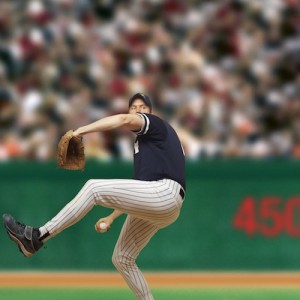 The rotator cuff is a group of four tendons and muscles – supraspinatus, infraspinatus, teres minor and subscapularis. These muscles not only provide power to the shoulder, but also stabilize the shoulder joint, keeping the head of the humerus (upper arm bone) in place against the shoulder blade. Rotator cuff injury is a tear that occurs to one or more of these four tendons or muscles.
 Lateral epicondylitis, commonly known as tennis elbow, is a painful condition where the outer part of the elbow becomes sore and tender due to repetitive motions that put a strain on the elbow. Tennis elbow is one of the most common repetitive stress injuries.
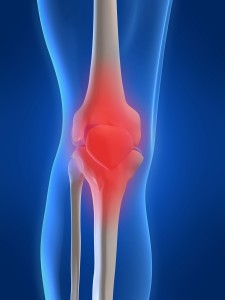 The word ëmeniscusí means crescent shaped structure and owes its origin to Greek. The C-shaped meniscus made of tough cartilage is wedged between the cartilage surfaces covering the three bones that form our knee joint. Meniscus aids the function of the joint by distributing weight and improving its stability. The function of meniscus is of grave importance for the general health of the knee. Meniscus tear or torn cartilage can severely impair the mobility of the knee joint.