Need to catch up on all the latest articles and happenings at OSS? Look no further than the OSS May 2014 Newsletter! Check it out here.



Need to catch up on all the latest articles and happenings at OSS? Look no further than the OSS May 2014 Newsletter! Check it out here.
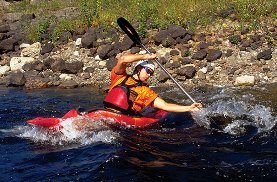
Here in the Pacific Northwest outdoor activities are a way of life. From lumberjacks to the most experienced kayaker, healthy joints are important to perform various tasks and activities that involved upper body strength involving our shoulders.
The shoulder is the most mobile joint in the human body. To accomplish this, the shoulder requires a balance of stability and strength.
Shoulder dislocation is a fairly common injury sustained by people of all age ranges. It is generally a sudden onset type of injury, which is caused by trauma to the shoulder region. There are many causes of this type of injury, from athletics to falling from a ladder. Most dislocations occur as the arm is outstretched to the side or overhead in conjunction with a force pushing the arm backward.
Shoulder dislocation may also cause numbness, weakness or tingling near the injury such as in your neck or down your arm. The muscles in your shoulder may be in spasm from the disruption, often increasing the intensity of your pain.
When the shoulder dislocates, the ligaments in the front of the shoulder tear causing pain and at least some loss of function in the affected arm. Although the ligaments may heal, the result is a shoulder that has even more laxity and instability than prior to the injury. Many athletes and active individuals will experience multiple occurrences of dislocation after the first event due to the increasingly unstable shoulder.
Successive dislocations, because of the increased amount of instability in the joint, often take significantly less force to occur. Whereas the first dislocation is usually the result of a traumatic force upon the shoulder, subsequent dislocations could result from ordinary, athletic or heavy use of the arm.
A common condition that may exist with shoulder dislocation is a SLAP tear, which is a tear to a structure in the shoulder known as the glenoid labrum. The labrum is a cartilage rim, similar to an O-ring, which covers the outside edge of the shoulder socket. This acts to deepen the socket and give the shoulder some extra stability. But under the extreme force of a shoulder dislocation, the labrum can be torn from the bone, creating a painful injury with reduced motion and strength of the arm.
Labral tears often produce a clicking or popping with shoulder motion, along with apprehension in the overhead ranges. Because these cartilaginous structures do not have a great blood supply, they often do not heal on their own and may require surgical intervention to re-attach the labrum to the bone.
According to Dr. Shapiro, “A consistent strengthening program is often the key to shoulder stability.” There are many treatment options available for these types of shoulder injuries. Some are non-surgical such as physical therapy, while more extensive injuries may require surgical repair.
Dr. Joel Shapiro, MD, specializes in surgical and non-surgical treatment of shoulder injuries at Orthopedic Specialists of Seattle and uses the latest technologies and research studies to aid in the diagnostic process and treatment of your injury.
A good physical therapy program can help protect against instability. While this cannot help everyone, a diligent therapy program is always the first step. After evaluating your shoulder, a customized therapy program will be created.
If you believe you are suffering from a shoulder injury, Orthopedic Specialists of Seattle is here to help.
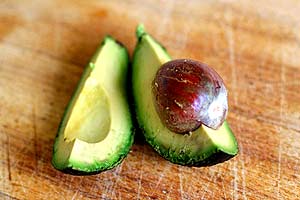 Who knew you would have to watch your back, or should we say hand, when making the family’s homemade guacamole? Avocados; they look innocent enough, but did you know that avocados are the cause of hundreds of hand injuries a year?
Take for example, UFC Tri Star Welterweight contender, Rory MacDonald. He gave himself a deep cut in his left hand while cutting an avocado at home, prompting a trip to the emergency room and making him worry he’d have to drop out of his UFC 170 fight against Demian Maia. Fortunately for MacDonald, he received stitches for his hand injury.
The danger is hidden inside the avocado. Avocados have a soft creamy skin, easily sliceable, but inside, the pit also needs to be removed carefully. Often times, this is done by stabbing the end of a knife onto the pit and twisting it off. If not done properly, the knife can glance off the pit and cut your hand.
You can also injure yourself when slicing the inside of the avocado while it rests in the palm of your hand; the pressure may be too great and accidentally, you slice right through the peel and your palm along with it, hitting an artery, nerve or tendon in the process.
Slicing an artery, nerve or tendon can be serious. It is possible to have a partial injury to a tendon and still move the hand normally, but there is a risk that the tendon could rupture completely. According to Dr. Ruhlman, “Knife injuries from cutting an avocado are among the most common injuries I see, and unfortunately, often cause an injury that needs surgical repair. Hopefully, awareness of this common injury might prevent a rate of such a devastating injury.” By using the proper tools and technique, injury can easily be prevented. If you do cut yourself it might mean surgery and possible months of therapy.
OSS has several providers specializing in hand injuries. If you are suffering from a hand-related injury, contact OSS to schedule an appointment with one of our physicians at (206) 633-8100.

Date: Sunday, July 20, 2014
Location: Seward Park
Time: 6:30 am
OSS will be onsite!
Date: Saturday, July 26, 2014
Event: Seafair Torchlight FanFest
Time: 2 pm to 6 pm
Location: Seattle Center
Event: Seafair Torchlight Run
Location: Seattle Center/Downtown Seattle
Time: 6:30 pm
OSS is providing a photo booth to capture runners, a booth exhibiting their services and OSS providers will be on-hand to provide warm-up exercises on the Main Stage prior to the run!

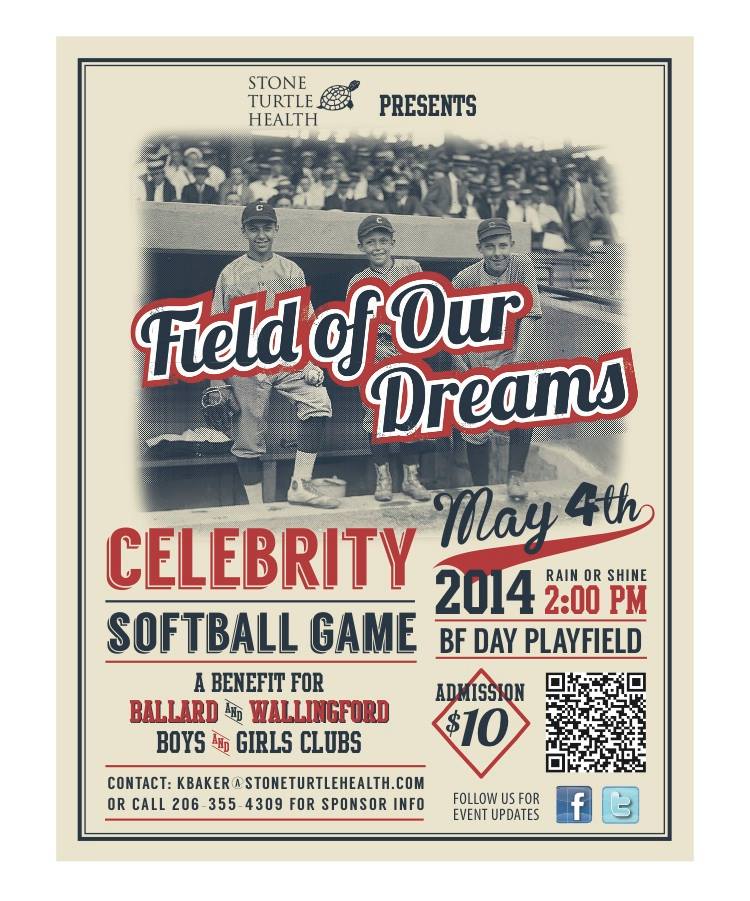
OSS Sponsors Wallingford Boys and Girls Club 1st Annual Celebrity Softball Game “Field of our Dreams” Event. For more information, click here