
Preventing Injuries in the Gym while Maintaining Your New Year’s Resolution

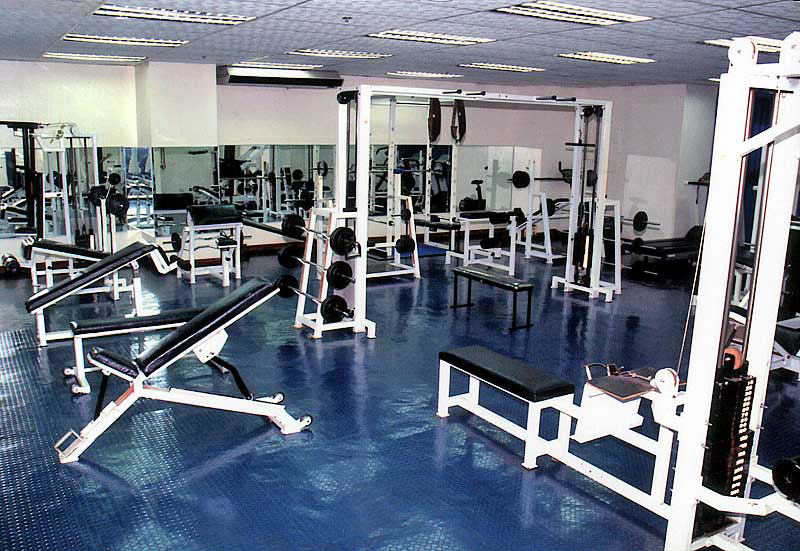
Gym-photo

It’s been a month or so now and you continue to be inspired by your New Year’s resolution of being more active and healthy. Hitting the gym was the biggest change to your new found resolve of an active lifestyle, especially here in the Pacific Northwest, where rain and even snow have kept us from enjoying the great outdoors.

The gym is the best place to work on losing a few more pounds as well as conditioning your body for an active Spring and Summer season.

OSS hopes that you are on your way to your healthier lifestyle and offers a few reminders of how to stay safe in the gym and avoid one of five common gym-related injuries and build a safe and stable foundation for your success. These common injuries include foot and ankle, knee, lower back, shoulder and neck injuries.

Foot and Ankle Injuries: Cause, Prevention, and Treatment

The most common foot and ankle injury to new gym goers are stress fractures. Stress fractures occur when a former couch potato hits the gym doing too much without building a foundation. By not allowing your feet and ankles to adapt to the stress of loading and unloading the bones, and not allowing enough recovery time between workouts, stress continues building on weak bone structure.

Just as a pull tab on a soda can will break off as it is bent and unbent enough times, repeated stress on the small bones of the feet and ankles that have not been properly conditioned can snap and suffer a stress fracture.

Stress fractures can be prevented by:

  • Starting slowly with any new weight bearing activities such as running on a treadmill
  • Follow a sensible program of gradually increasing your workout by no more than ten percent week by week. (If that is a struggle, do less or stay at the same level for an extra week before increasing your workouts further)
  • Be sure to wear proper shoes. Select in running or sports shoes that can assist in finding the right shoe for your activity and foot.

Treatments for stress fractures:

  • Modifying workout to avoid weight bearing until pain lessens and the use of a stiff soled shoe for several weeks – Severe cases require the use of a cast or crutches. Healing can be a long slow process. Surgery may be necessary if the fracture fails to heal properly.

Knee Injuries: Cause, Prevention, and Treatment

Knee injuries are very common to gym goers and weekend warriors. More often than not, the cause involves weak muscles in the feet, ankles, hips and even the back. As you attempt to use muscles weaken from years of inactivity, it is easy to pull or twist the knee in an attempt to adapt to sharp or sudden changes in direction. Knee injuries may range from minor pulls and strains to major problems in dislocations, or torn cartilage.

Knee injury Prevention:

  • Gradually working to strengthen core, hip, and foot and ankle muscles as all these work together to assist the knee in tracking in proper alignment.

Treatments for knee injuries:

  • Standard R.I.C.E procedure (Rest, Ice, Compression, and Elevate) – If there is extreme pain, swelling or the knee seems misshapen, consult an OSS doctor as damage may require realignment of the kneecap or surgical repair to torn ligaments or cartilage.

Lower Back Injuries: Cause, Prevention, and Treatment

The risk of gym related lower back injuries is highest when first beginning an exercise routine. Moving too quickly and expecting weak muscles in your back, hips, and core to support your back and maintain proper spinal alignment is a sure formula for injury.

Lower back injury prevention:

  • Warm-up before beginning a workout – Attempting to lift too much weight before you have built up a base, poor posture and lack of regular exercise leads to lower back injuries in and outside the gym.
  • Proper recovery time – Acute lower back sprains occur when time is not taken to work up to higher weights used in many gym workouts. Overuse of muscles in the back causes tiny tears in muscle tissue, without proper recovery time between workouts, those microscopic tears do not have time to heal and strengthen the muscle. Chronic overuse can lead to sprains that are more serious or even disk injuries in the spine itself.

Treatment for lower back injury:

  • Taking gradual steps to strengthen the muscles supporting the back, using good posture, avoiding sitting or standing in the same position for long periods of time, and scheduling weight training with days off for recovery will greatly reduce the chance of missing long-term workouts.
  • Rest, over-the-counter pain medications such as aspirin or ibuprofen, medical treatments and gradually increasing exercise to strengthen the muscles of the lower back and core – In most cases, these steps will relieve lower back pain. If pain continues, is excruciating to the point it hinds daily activity, contact an OSS doctor. Traction or surgery is used as a last resort to treat severe lower back injuries.

Shoulder Injuries: Cause, Prevention, and Treatment

The large range of movement the shoulder has makes it at risk for injuries due to the repetitive movements during exercise. Rotator cuff injury, inflammation including tendonitis and bursitis, and compression of the bursa and tendons that leads to a condition call Impingement syndrome. The cause for most shoulder injuries is over training or improper form or techniques.

Simple guidelines for preventing shoulder injuries:

  • Learning and using proper technique and form, warming up before exercising the shoulder by stretching the muscles by performing shoulder shrugs, stretches, and shoulder rolls, and begin a routine to gradually strengthen the shoulder muscles. – If injury does occur, do not try to ‘push through the pain. Doing so could lead to a serious rotator cuff injury requiring surgery. Treating shoulder pain and injury early is vital.
  • Early treatment options include modifying exercise, ice or heat therapy, and the use of over-the-counter anti-inflammatory medications for pain control. Treating shoulder injuries may require consulting an OSS doctor to prevent long-term damage or loss of range of movement.

Neck Injuries: Cause, Prevention, and Treatment

Most neck injuries are muscle strain or over use. Tension from maintaining your neck in one position to long can cause pain in the neck and shoulders. Minor neck sprains may also result from twisting, attempting to lift too heavy a weight, or using improper form. Major life-altering damage, such as whiplash or fractures, can also occur to the neck when safety precautions and proper form is not consistently used.

Preventing neck injuries:

  • Awareness – Remain aware of safety issues; do not leave free weights or other equipment where it will cause a falling or tripping hazard.
  • Pay attention to proper form – Avoid sudden twisting or jerking movements. Know your own limits.
  • Do not attempt heavy weights without a friend to spot for you or standby to help if needed.
  • Always start slowly with a pre-workout warm up.

Treating neck injuries:

  • Vary depending on the type and severity of the injury.
  • Minor neck pain and strains from over use respond to treatment with rest and over-the-counter medications such as aspirin, within a few days.
  • Ice therapy may also help during the first 24-48 hours of a minor injury – Serious injuries to the neck such as whiplash or fractures usually require immediate medical treatment. These injuries may require a neck brace, surgery, or traction. Consult with an OSS doctor as well as physical therapy is also part of the treatment for serious neck injuries. Treat all neck injuries seriously and do not attempt to ignore pain during a workout.

Dr. Joel Shapiro has this to say when you are in the gym, “Give up the push up. Pushups are hard on shoulders and there are better ways to strengthen triceps, biceps, pecs and deltoids. Work with a trainer on using the best form while working out. If you do sustain injury come in and see me for an evaluation.”

If you believe you are suffering from a gym-related injury and need specialized orthopedic care, Orthopedic Specialists of Seattle provide excellent treatment options available for you.
The Importance of Snowboarding Safety

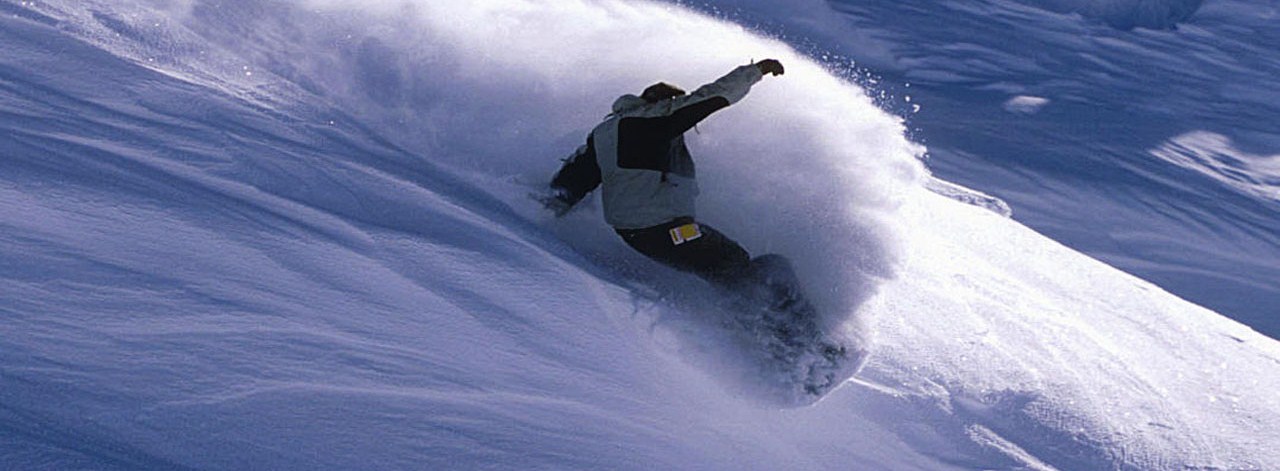
snowboarding-wallpaper-4

Snowboarding involves moving at very high speeds down steep hills past other skiers and boarders, as well as natural and man-made obstacles. Falls are going to happen regardless of how good a boarder you may be, and collisions are relatively common. Also, since snowboarding takes place at high altitudes in the winter, the weather can range from sunny and bright to bitterly cold, with conditions changing rapidly from one slope to the next and from one hour to the next; here in the Pacific Northwest, it is very much the case.

Gearing Up

Before you venture out to the slopes, it’s important to have the right gear and know how to use it. In addition to a snowboard and boots, you will also need warm clothing, protective eyewear and helmets intended specifically for snowboarding.

Here’s a list of what you should bring each time you head up the mountain:

  • Snowboard — In general, an all-mountain snowboard is the best bet for beginners, rather than a specialty board, which is harder to turn and balance on. Note that the longer a board is, the more difficult it will be to control. Choose a board that is the right length for your size and snowboarding ability.
  • Boots — The connecting point to the snowboard are boots, a vital piece of equipment. Make sure to get yourself real snowboard boots (not moonboots or hiking boots) that fit correctly to keep your feet comfortable and warm. For most beginner snowboarders, soft snowboard boots are easier to control than hard boots. Make sure you keep your boots laced up tight to give your feet and ankles the support they need.
  • Bindings — Most snowboard bindings are of the strap-on variety, which are compatible with the greatest number of boots. You should always keep your straps securely fastened to give them the most control over your snowboard. Some bindings, though, are step-in types. Make sure to get the right bindings for your boots, and have a trained professional at a snowboard shop adjust the angle of the bindings to put your feet in the right positions.
  • Helmet — A helmet is the most important piece of equipment when it comes to preventing life-threatening injuries. You should wear one any time you go boarding. Get a helmet that fits properly, and make sure you know to keep the chin strap fastened to keep it securely in place. Also, make sure to get a real snowboard helmet (not a football or bike helmet) that allows space for your goggles and ventilation on warm days.
  • Goggles and sunglasses — The sun’s rays are considerably stronger at high altitudes than they are at sea level, and when they bounce off the gleaming white snow, they can be a serious threat to the eyes. Sunglasses are the best way to protect eyes from the sun’s rays, but you should always bring a pair of goggles that are the right size in case it gets cold or begins to snow. Goggles are also better at protecting eyes from tree branches and other hazards.
  • Gloves or mittens — Many snowboard gloves include pockets for hand warmers to keep fingers nice and toasty. If you’re still worried about your hands getting cold, however, it’s a good idea to get mittens, which are generally warmer than gloves.
  • Wrist guards — When you first learn how to snowboard, you’ll spend a lot of time falling forward and breaking your falls with your hands. This can lead to broken wrists and forearms, which are very common snowboarding injuries. Be sure you wear rigid wrist guards designed for snowboarding or in-line skating to protect yourself when you fall.

Dress for Excess

Anyone who has snowboarded on a cold day can tell you, it’s no fun if you don’t have enough warm clothing. Likewise, on hot days having too many clothes can make you sweat, which will lead to you getting cold when the sun dips behind a cloud or the mountains. The best way to tackle this situation is to have dress in layers so that you can shed or put on depending on the temperature.

Here’s a rundown on what sort of clothes they should wear when you snowboard to avoid hypothermia and frostbite:

  • Thermal underwear
  • Thermal socks
  • Intermediate layers
  • Snowboard pants
  • Jacket
  • Neck gaiter

Additional Items

While you should always have the gear and clothing mentioned above, here are a number of other items you might want to consider bringing with you when you are snowboarding:

  • Hand
  • Boot warmers
  • Walkie-talkies
  • Sunscreen
  • Lip balm
  • Water and a snack

Top 10 Safety Tips To Avoid a Slip or Fall in Ice and Snow

In the Pacific Northwest, occasionally we get snow, but other times, we get a lot more ice and rain. In the Fall it is definitely more rainy, but in the Winter, we get cold, sometimes freezing temperatures that turn into ice and an occasional dusting of snow.

Did you know that winter slips and falls may cause serious injuries? Think about this:
Even when surfaces do not look especially icy or slippery, it is very possible that a thin sheet of transparent ice or “Black Ice” is covering your pathway putting you at risk. When you approach a footpath or roadway that appears to be covered with ice or snow, always use extreme caution. The most typical injuries are fractures and dislocations of the wrist, shoulder and ankle.

Many slips and falls happen in places people regard as safe and secure, typically outside their front door, on the door step, on the path or while getting out of the car.
If you are out walking in snow or icy conditions wear appropriate footwear, don’t walk with your hands in your pockets, walk with your hands out and wear gloves so you can break your fall if you do slip. It’s better to have a broken wrist than a cracked skull!

The Road Safety Authority has the following “Top 10 Safety Tips for Pedestrians” to help avoid the possibility of a broken bone that could easily lead to an operation and a long recovery:

1. If a journey cannot be avoided, walk on a footpath, not in the street. If there are no footpaths walk on the right hand side of the road (towards oncoming traffic). Be extremely careful as frost, ice and snow will make walking on footpaths very dangerous.

2. Remember that footpaths may not be treated so walk with extreme care; make sure you are wearing appropriate footwear and in extreme conditions consider an appropriate walking stick or walking pole.

3. Avoid walking in the streets at all costs if possible. Remember, cars and trucks slip and slide, too! If it’s an emergency, and you can’t avoid the street, wear bright or reflective clothing.

4. Visibility is reduced in snowy condition so wear high visibility clothing or carry a flashlight, or some type of reflective light gear similar to the lights that cyclists use at night.

5. Wear clothing that does not restrict your vision. Stay warm, but DO NOT impair your vision with hoodies, ski masks, scarves, hats, etc. This type of clothing could prevent you from spotting icy conditions that may lead to a fall or not enable you to see a car that is spinning out of control.

6. Snow and ice cause havoc quickly, so use extra caution when crossing roadways, and always cross at pedestrian crossings.

7. Ice can easily hide under a light dusting of snow. Just because you don’t see the ice doesn’t mean it’s not there waiting for your unsuspecting footfalls.

8. If you can’t avoid the ice and snow, bend your knees slightly and take slower, shorter steps to help reduce the chance of a slip and fall and an injury.

9. If forced to use the steps at someone’s home, apartment, or other public building, walk slow and take shorter steps when descending. The same is true of driveways and other hilly terrain; these areas can be very dangerous when they become slippery with ice or snow. Steps especially can be hard to clear and build up ice easily.

10. Be aware of overhead hazards! Falling icicles and chunks of snow pose a serious risk. In extreme cold weather icicles can build up in size very quickly and are lethal. Their size and dagger-like formation are extremely dangerous for pedestrians. Be aware of what’s happening above you, and stay clear from the edges of buildings.

Your Handbag could be the Cause of Shoulder Pain, a Stiff Neck and Back Pain

The holiday rush to get all your shopping done means being pretty efficient of how you want them packed and carried out of a store. Enter your handbag, big, bulky and up to the task. Unfortunately, that bag, if filled to capacity, will probably give you a sore shoulder, stiff neck and quite possibly back pain.The frenzy of the holiday season and your busy lifestyle warrants that you talk on your cell phone in one hand and carry that big, bulky purse on the other hand is actually intensifying a big problem; you are unevenly distributing weight on one side of your body.

What Can Be Done to Minimize the Damage?

Instead of carrying your bag on the same side, switch back and forth, or carry the bag in front of you. Understandably, it doesn’t look glamorous, but at the end of heavy shopping day, you can prevent your shoulders from aching. The prolonged effect of constantly carrying a heavy bag is like a strenuous workout; you overtax the muscles and induce joint pain if your bag is too heavy. By maintaining the correct form of carrying your bag and keeping the bulk of your purse toward the center of your body, it will help alleviate shoulder and neck pain.

Just remember these helpful tips:

1) A bigger bag doesn’t mean you have to fill it. Keep things to a minimum – a weight of no more than 5-8lbs is recommended.

2) Swap shoulders – this takes some getting used to but it is possible.

3) The wider the shoulder strap, the better the dispersal of weight.

4) Think about the material of the jacket you are wearing; slippery fabric will cause you to hunch your shoulder even more.

5) Watch your posture: are you leaning to one side to help balance the weight?

6) Stretch your neck and shoulder muscles.

According to Dr. Shapiro, “To protect your shoulders from an overuse injury like bursitis, don’t carry a heavy load of bags on one arm. It is best to switch shoulders or carry an even load of bags to distribute the weight safely.” If you are experiencing neck, hand, shoulder or back pain, call Orthopedic Specialists and make an appointment with one of our expert, orthopedic doctors at (206) 633-8100.

Preventing Ski Injuries through Conditioning

A busy ski resort in the United States may see dozens of injuries on the slopes each day. As an orthopedic surgeon, I also see many patients with ski-related injuries throughout the season. Most injuries are the result of poor conditioning, or equipment failure.

The most common injuries amongst downhill skiers are knee sprains, shoulder injuries, head/face injuries and wrist/thumb injuries. The knee is the most commonly injured joint, resulting in about one third of all ski injuries. Injury rates and type vary with uncontrollable factors such as weather and snow conditions. Proper equipment and conditioning, however, are factors that we can control.

Equipment

When skiers examine their equipment, it’s important to make sure that: Skis, poles, and boots are in good condition and properly sized for the individual’s weight,size and skill. Bindings are adjusted and tested prior to each ski season.Helmets are properly fitted and checked for damage prior to the ski season.Sunglasses, goggles and sunscreen are part of one’s safety equipment

Conditioning

Skiers can increase their safety and performance this winter by starting with a pre-conditioning program that includes four components: endurance, strength, flexibility, and balance. Aerobic fitness is the key to preventing the end of the day injuries (the last run).Cross training, which includes multiple sports and activities in the conditioning regimen, has become popular, especially with a seasonal sport such as skiing. Strength and flexibility focusing on the legs and trunk are vital in injury prevention specific for skiing. Balance training has been shown to be the single most important exercise for preventing ACL tears in women.
A typical conditioning program can include:

1. Aerobic fitness (5 days/week for at least 30 minutes)

  • Running
  • Cycling
  • Swimming
  • Elliptical or stair climber
  • Jumping rope
  • Treadmill

2. Strength (3 days/week, 2 sets of 60 seconds each)

  • Leg press
  • Wall squats
  • Hamstring curls
  • Toe raises
  • Lateral leg raises
  • Sit-ups

3. Flexibility (daily, 2 sets of 60 seconds each)

  • Hamstring stretches
  • Achilles stretches
  • Quad stretches

4. Balance Exercises (daily, 2 sets of 60 seconds)

  • Standing on one leg, perform mini squats
  • Single leg hop, holding landing for 5 seconds, repeat

In addition to a conditioning program, skiers need to adequately warm up – an activity that is often neglected with skiing. No one would think of running out on the football field or onto the basketball court without warming up first. But with skiing, one typically sits in the car for an hour or more to get to the slopes, and then stands in line for tickets and for the lift, before finally sitting on the chair for several minutes. By the time one has arrived on the top of the hill, he or she is often stiff and cold.

It’s important for skiers to remember to warm up and stretch before starting down the hill.Often an easy, predictable run is a good idea before heading to the more challenging terrain.The few minutes spent warming up will be well worthwhile in injury prevention.

More about knee injuries

Every ski season, I treat many knee injuries. In the 1970′s, ankle injuries were more common, resulting from soft, leather boots. The development of stiffer boots has transferred much of the force to the knee.

The most common knee injury from skiing is the MCL (medial collateral ligament) injury. It often results from catching an edge or having the skis diverge, so that the foot is forced away from the body. This creates a distraction force on the inside of the knee. Fortunately, the MCL has a good blood supply, and can be treated non-operatively, with a period of bracing for 4-8 weeks, depending on the severity of the injury.

ACL (anterior cruciate ligament) injuries are also common skiing injuries. They are thought to occur from the forces created by the long lever arm of the ski that are transmitted to the knee ligaments. Commonly, the ACL is injured with a hyperextension mechanism. In expert skiers,we see ACL injuries when saving a backwards fall by a strong quadriceps contraction, pulling the tibia (lower leg) forward with enough force to rupture the ACL. Recent boot and binding technology has reduced the rate of ACL injuries. In young, active individuals, the ACL injuries often require surgical reconstruction. Success rates from surgery are excellent, but require aggressive rehabilitation and six months of recovery time before one can return to skiing or other twisting or pivoting sports.

No one wants to go down the path of surgery and recovery. But too many people wait to think about preparing for skiing until half way through the season, when snow has already accumulated and they are on their way to the top of the mountain. Many times, this is to late. Although injury is a risk we all take when participating in any sport, a conscientious approach to skiing – including equipment inspection and conditioning – will minimize the occurrence. Not only will these precautions reduce injury rate, but they will also enhance performance, decrease fatigue, and ultimately, increase one’s enjoyment of the sport.

We are fortunate in the Pacific Northwest to have great skiing terrain so close. Be safe and prepared so you can enjoy a great skiing season this year.

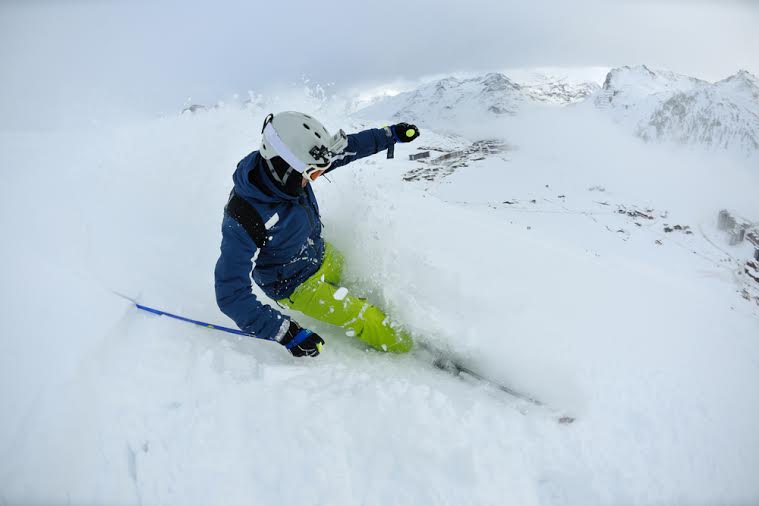
ski article