Avocados vs. UFC Fighter… and the Winner is?

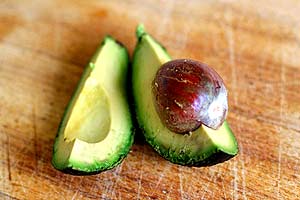
avocado-cut-3aWho knew you would have to watch your back, or should we say hand, when making the family’s homemade guacamole? Avocados; they look innocent enough, but did you know that avocados are the cause of hundreds of hand injuries a year?

Take for example, UFC Tri Star Welterweight contender, Rory MacDonald.  He gave himself a deep cut in his left hand while cutting an avocado at home, prompting a trip to the emergency room and making him worry he’d have to drop out of his UFC 170 fight against Demian Maia.  Fortunately for MacDonald, he received stitches for his hand injury.

The danger is hidden inside the avocado. Avocados have a soft creamy skin, easily sliceable, but inside, the pit also needs to be removed carefully. Often times, this is done by stabbing the end of a knife onto the pit and twisting it off. If not done properly, the knife can glance off the pit and cut your hand. 

You can also injure yourself when slicing the inside of the avocado while it rests in the palm of your hand; the pressure may be too great and accidentally, you slice right through the peel and your palm along with it, hitting an artery, nerve or tendon in the process.

Slicing an artery, nerve or tendon can be serious. It is possible to have a partial injury to a tendon and still move the hand normally, but there is a risk that the tendon could rupture completely. According to Dr. Ruhlman, “Knife injuries from cutting an avocado are among the most common injuries I see, and unfortunately, often cause an injury that needs surgical repair.  Hopefully, awareness of this common injury might prevent a rate of such a devastating injury.”  By using the proper tools and technique, injury can easily be prevented.  If you do cut yourself it might mean surgery and possible months of therapy.

OSS has several providers specializing in hand injuries.  If you are suffering from a hand-related injury, contact OSS to schedule an appointment with one of our physicians at (206) 633-8100.

The 21st Century Thumb – Texting Can Lead to Thumb Arthritis

Texting Can Lead to Thumb ArthritisLet’s face it we’re all guilty of overusing the text feature of our cell phones! The 21st century thumb has been introduced to ranges of motion that are now being overused. Irregular motion of the thumb due to texting has presented new aches and pains that our bodies are not accustomed to performing.
Texting involves that our thumbs move at a higher frequency than normal and a higher frequency at which you may be texting with your thumbs causes an unnatural motion that may potentially lead to tendonitis or arthritis.

The texting thumb usually refers to the “trigger thumb” – The constriction of a flexor tendon in the thumb, which may result from repetitive gripping motions such as texting or holding a smartphone. Its symptoms include painful popping or snapping when the thumb bends and straightens; sometimes the thumb even becomes locked in a curled position.

Cortisone injections to treat the thumb eliminates the pain and restore mobility 80 to 85 percent of the time; in more severe cases, a brief surgical procedure may be required to release the pulley at the base of the thumb so that the tendon can move more easily. If you have thumb pain or stiffness that seems to worsen with use of a smartphone, change the way you use your phone and hold your phone with the hand you use less frequently or type messages with your index finger to give your thumbs a rest.

Dr. Wayne Weil at OSS frequently diagnoses and treats trigger finger. In mild cases, splints to rest the finger, or over-the-counter pain medications and/or corticosteroid injections may be recommended. Injections are less likely to provide permanent relief when a person has experienced trigger finger for a long time, or if there is an associated medical problem such as diabetes. Surgical treatment may be recommended for more severe cases.

If the finger is stuck in a bent position, or if the symptoms are severe, surgery may be the best course of treatment. Surgery’s goal is to widen the opening of the tunnel so that the tendon can slide through it more easily. It’s usually an outpatient surgery performed through a small incision. Dr. Weil frequently performs surgery for patients with trigger finger at OSS’ on-site surgery center.

According to Dr. Weil, “The modern day thumb is required to perform an incredible amount of repetitive activities with use of computers, cell phones and gaming systems. This can lead to significant tendonitis and inflammation of the thumb flexor and extensor tendons. If not adequately treated conditions such as trigger finger and de Quervain’s tendonitis can compromise the ability to perform activities of daily living. I often see patients with these conditions and if caught early can treat them with hand therapy, activity modifications, cortisone injections and sometimes surgery.”

Thumb arthritis – Arthritis of the carpometacarpal joint, where the thumb connects to the wrist is also sometimes called “texting thumb” where forceful pinching motions occur when gripping your phone or texting with your thumbs may lead to more severe symptoms. This condition requires rest and treatment to alleviate the pain and restore mobility. Treatments may include splints and cortisone injections. Patients with persistent symptoms may need a procedure called carpometacarpal arthroplasty, in which a surgeon removes part or all of the arthritic trapezium bone to relieve pain and improve function.

If you believe you are suffering from a hand-related injury and need specialized orthopedic care, Orthopedic Specialists of Seattle provide excellent treatment options available for you. Please feel free to contact OSS at (206) 633-8100 to schedule an appointment.

Avoiding Spring Gardening Injuries

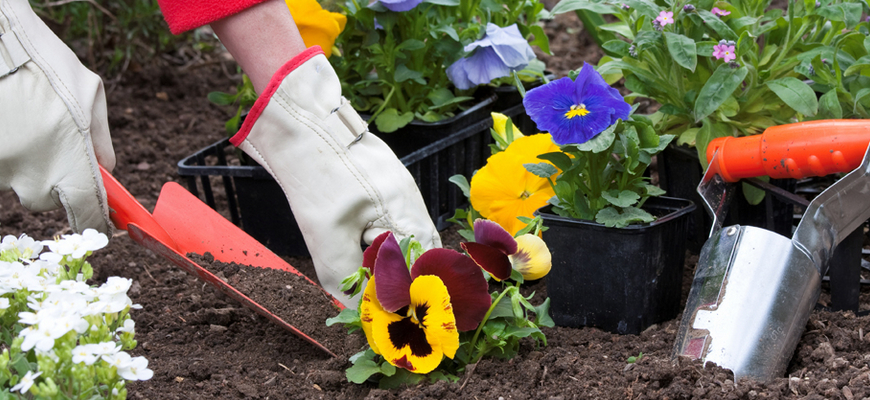
Spring weather in the Pacific Northwest is beautiful and although we still have rain showers, it is the best time for gardening and getting in some spring cleaning.  If you are like some of us here at OSS, gardening is a popular hobby.  Over time however, it can take a toll on your body.  Creating a dream garden requires repetitive bending, kneeling, reaching, and twisting that may result in putting an extensive amount of strain on your muscles and joints.

gardening-safety

According to Dr. Scott Ruhlman, “Spring time is a great time to get outside and do yard work. In this case the old adage rings true, that an ounce of prevention is much more than a pound of cure. Use the proper tools and body positioning when gardening. I am not only a hand surgeon but an avid gardener too.”

Raking, digging and planting may present injuries and OSS would like to share some helpful tips to keep you pain-free while you garden:

  • Sunscreen – Fair-weather skin tends to burn faster and in the Pacific Northwest when we see the sun peek out from the clouds, we rush to catch some of those sunshine rays.  Use sunscreen with SPF and wear a wide brimmed hat.
  • Light Stretching and Walk – Before you take on your dream garden, do some light stretching so that your muscles can warm up and take a short walk to get your blood flowing.
  • Spread out your Workload – If your  garden took a toll over the winter months, pace yourself and spread out the work; this gives you the opportunity to see your garden progress and prevents you from injury by doing all the work at once.
  • Kneeling vs. Bending – Place less strain on your back by avoiding bending; kneel instead.  Wear kneepads and use a cushioned mat to comfort your knees while working on the ground.
  • Keep Moving – Long periods of time in one position will put stress on your muscles and joints; so keep moving so that you avoid overworking specific areas of your body
  • Lift Cautiously – Lift with your legs and not your back when carrying heavy loads and remember to hold objects close to your body when lifting.

If you believe you are suffering from a gardening-related injury and need specialized orthopedic care, Orthopedic Specialists of Seattle provide excellent treatment options available for you.  Please feel free to contact OSS at (206) 633-8100 to schedule an appointment or consultation with Dr. Ruhlman.

Knee Injuries on the Job

work-295x300

Driving down Interstate 5 through the Pacific Northwest, you see a lot of logging trucks pass you by.

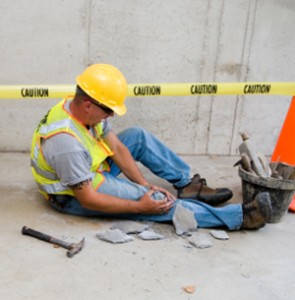
Loggers and truck drivers do a lot of heavy lifting and/or climbing, but so do other professions, like nurses, construction workers, doctors or even chefs who walk long distances while lifting items they may need on the job.

You may not think of these jobs as a place where a knee injury might occur, but in fact, occasionally injure a person.

A knee injury might not be apparent at first, but over time, may become swollen and painful. The knee injury now becomes an impediment, and you are unable to lift things because your stance is unstable.

Think about the last time you wobbled a little because your knee gave out and developed a nagging pain soon after. Did you do anything to alleviate the pain you felt in your knee?

Common Knee Injuries

Meniscus Injuries: Meniscus tears can cause intense pain and instability in the knee depending on the severity of the tear. Clients with tears to the meniscus describe a sensation of their knee “giving out” or “coming out from under them” while walking or climbing stairs.

The knee will most likely swell in order to protect itself, which can be intensely painful and can limit movement. Although physical therapy, anti-inflammatory medication and cortisone injections can help reduce symptoms, an orthopedic doctor will often recommend arthroscopic surgery to repair the tear.

Ligament Injuries: Injuries to the cruciate ligaments – such as the anterior cruciate ligament (ACL), medial collateral ligament (MCL) and posterior cruciate ligament (PCL) – are sometimes referred to as sprains, but they can be much more complicated than simple muscle strains. These injuries can require months of treatment to recover, and some cruciate ligament injuries — e.g., anterior cruciate ligament (ACL) tears – may require reconstructive surgery.

Chondromalacia: Chondromalacia is a disorder caused by softening of the articular cartilage of the kneecap. It can be caused by traumatic injury or overuse or repetitive motion on the job. Signs and symptoms of chondromalacia include dull, achy pain in the front of the knee, increased pain when walking up or down stairs, pain in the knee when kneeling or squatting, knee pain after sitting for long periods of time, a grating or grinding sensation when you extend your knee and knee stiffness.

To diagnose the problem, an OSS physician may require you to attempt simple knee exercises or recommend X-rays or other imaging tests such as an MRI or CT scan. Treatment options include rest, pain relievers or physical therapy. In rare cases, arthroscopic or realignment surgery may be options.

According to Dr. Watt, “Knee problems and injuries may be job-related or not. Sometimes it is obvious and sometimes not obvious and this may be part of the initial evaluation. I have extensive experience on all types of knee problems and injuries and would love to help anyone with a knee problem to try and regain a healthy knee.”

Dr. Watt is a board-certified orthopedic surgeon here at OSS who works with patients dealing with a wide range of orthopedic issues. Dr. Watt carefully weighs conservative and aggressive methods of treatment to devise a plan tailored to the specific needs of the individual. This personalized approach creates excellent outcomes, with patients working as close partners in the treatment process.

Avoiding and Treating Spring Sports Injuries

Spring arrives on March 20, and with it, the crack of a baseball or softball bat, the sound of a track coach’s whistle and the rough-and-tumble of other outdoor sports in the Pacific Northwest.  Spring sports not only herald the return of warmer weather, they are a forerunner of an increase in an athlete’s risk of many sports-related injuries. Doctors at Orthopedic Specialists of Seattle (OSS), who have seen just about every possible sports-related injury, offer tips on how to avoid and treat many sports-related injuries.

Dr. Weil states, “As an orthopedic surgeon specializing in hand surgery, the spring is a busy time for me.  I see many sports related injuries in the spring time as people in the northwest come out of winter hibernation.  Some of the more common injuries are due to bicycle crashes due to cycling on wet roads and overuse injuries as people ramp up their activities too quickly.  The old adage, “slow and steady wins the race”, is true in this case.  I look forward to the upcoming triathlon season and will be out in the water, on the bike, and running as well.”

Upper Extremity

In both pro and college baseball players, upper extremity injuries are most common and account for approximately 20 percent of all injuries.  Injuries include dislocations, sprains and strains, labral injuries, and rotator cuff injuries.  Shoulder problems are usually part of a bigger problem, alignment.  By correcting the alignment issues, most shoulder problems can be resolved as long as they haven’t passed the point of no return. Once this happens, surgery is usually the only option to truly fix the problem.

Elbow injuries account for approximately 16 percent of pro and 8 percent of college injuries. These injuries include sprains and strains, contusions, and more severe injuries such as ulnar collateral ligament injuries (Tommy John) and posterior impingement. Elbow sprains and strains are more likely the precursor to an ulnar collateral injury. And just as in the shoulder, by correcting alignment issues, most elbow problems can be resolved as long as they haven’t passed the point of no return.

Baseball Injuries

The 3 main lower extremity injuries in baseball are:

  • Muscle strains, such as a pulled hamstring or quad,
  • Ankle sprains, and
  • Contusions (ie getting hit by a pitch).

Rehab for sprains and strains can involve a short time off from play (if needed) and rehabilitation consisting of regaining range of motion/flexibility, strength, and balance. All of this should be done under the guidance of an athletic trainer or physical therapist.

Hand/wrist

Hand and wrist injuries account for approximately 10 percent of baseball injuries. These can be minor such as contusions to more serious injuries such as fractures and dislocations. The majority of these injuries are from being hit by a pitch or from sliding. Hand and wrist injuries should be evaluated by your athletic trainer who will refer to a sports medicine physician for more severe injuries such as dislocations and fractures. Minor injuries are usually treated with rest, rehabilitation, and taping/bracing if needed.

Track and Field Injuries

Many track and field injuries can be prevented by increasing the level of awareness and knowledge of prevention.  Muscle strains and sprains are the most common track and field injuries. 

Common track and field injuries include:

  • Shin splints
  • Microscopic stress fractures
  • Compartment syndrome
  • Tibial stress syndrome
  • Plantar fasciitis (pain on the bottom of the foot)
  • Runner’s knee
  • Chondromalacia
  • Patellar tendonitis and Osgood-Schlatter disease
  • Muscle strains to the quadriceps (front of thighs)
  • Hamstrings (back of thighs)
  • Hip adductors (groin) and hip flexor (front of hip)
  • I-T band syndrome
  • Scrapes and burns from falling
  • Blisters

OSS doctors offer the following tips for avoiding sports injuries, including baseball and track:

  1. Wear properly fitted shoes – Protective gear is vital, but shoes that fit well are the single most important piece of equipment in just about every sport.
  2. Properly warm-up before engaging in activities – Both youth and adults today seem to believe that they can just ‘flip a switch’ and begin competing.  By warming up properly, you gradually lengthen and stretch your muscles, increase your body temperature and blood flow, and alert your body to be prepared for more rigorous physical activity.
  3. Don’t continue to play when you are injured – It’s tempting to try to ‘play through’ an injury, or to go back out on the field before you are ready.  That is almost always when greater; often more significant damage is done to an athlete.
  4. Establish a good stretching program to include the gastrocnemius/soleus (calves), hamstrings, quadriceps, hip flexors and hip adductors. Initial stretches should    be static (no  bounce) and held for at least 30 seconds, then progressed to dynamic stretches such as walking lunges or high stepping.
  5. Hydrate 30 minutes prior to practice/game and drink a combination of water/sports drinks during activities.

If you believe you are suffering from a sports-related injury and need specialized orthopedic care, Orthopedic Specialists of Seattle provide excellent treatment options available for you.  Please feel free to contact OSS at (206) 633-8100 to schedule an appointment.