Dr. Ruhlman Finishes the California International Marathon (CIM)

Congratulations Dr. Ruhlman for completing the 2013 California International Marathon in Sacramento, CA on December 8, 2013!

According to the CIM’s web site, “The CIM was founded in 1983 by the Sacramento Running Association to bring a world-class running event to the Sacramento area. The same course developed then provides runners with a very fast, point-to-point, net-downhill marathon.

Tracing a historic route used by the gold miners during the 1849 Gold Rush, it begins at the Folsom Dam,passes through semi-rural suburbs into bustling midtown Sacrament, and has a spectacular finish in front of the California State Capitol. The CIM’s 26-mile, 385-yard distance is certified and sanctioned by USATF (#CA07004RS),and therefore is a Boston Marathon qualifier and an Olympic Marathon Trials qualifier. It is frequently a regional or national USATF Championship event as well.”

In Dr. Ruhlman’s words about the race, “”Great race, great people and a well organized race. The conditions and the distance pushed my limits as always, but it was really rewarding to cross the finish line.”Dr. Ruhlman’s official time for completing the marathon was 03:16:25!Congratulations Dr. Ruhlman and way to go!

ruhlman

FOR IMMEDIATE RELEASE

Contact: Hazel Valdez
Email: hazel@launchmd.com Untitled1

FOR IMMEDIATE RELEASE

Orthopedic Specialists of Seattle Speaker Series on Orthopedic Health and Information Topics Continues through December 2013

Seattle, WA – During the last quarter of 2013, the physicians of Orthopedic Specialists of Seattle (OSS) have been speaking to the community and the greater Seattle population, on orthopedic topics including Joint Replacement, Relief from Hand and Wrist Pain, and Relief from Foot and Ankle Pain at the Swedish Ballard Hospital campus.

Dr. Ruhlman of OSS will be rounding out the Speaker Series with his topic, Relief from Your Hand and Wrist Pain on Wednesday, December 4, 2013 at the Swedish Ballard Hospital campus from 6:00 pm – 8:00 pm. Dr. Ruhlman will discuss treatments for different types of fractures; ways to treat arthritis in the wrist, thumbs and fingers; and how to prevent and treat carpal tunnel syndrome and other overuse conditions. Dr. Ruhlman trained as an Orthopedic Surgeon locally at the University of Washington and spent additional time at Harvard training in the complex disorders affecting the Hand, Shoulder and Elbow. “By using what I have learned, I strive to give you the top orthopedic care by not only achieving superior technical results, but to spend the time necessary to help you understand your injury and so we can work towards your specific goals and needs,” states Dr. Ruhlman.

To find out more and register for this class, visit: https://www.eventsvc.com/swedishhealth/seattle/event/4852f607-7ea9-4123-b207-c4154988bc27.

Physicians at OSS perform highly specialized procedures for orthopedic surgery and general orthopedic care for adults and children. Each one of their eight physicians strives to be a leader in orthopedic medicine. They have extensive training and experience in general orthopedics, trauma, fracture care, total joint replacement, sports medicine, non-surgical treatment and overuse conditions. Treatment of injuries is performed in a relaxed setting, with an expert surgeon, as well as state-of-the art equipment. OSS is also the only orthopedic center in the state of Washington that offers Sonocur, a non-surgical treatment for tendonitis. Their comprehensive orthopedic approach provides patients with the ability to continue their active lifestyles as well as peace of mind.

Fall Clean-Up and Rake Safety

Fall is a beautiful time of the year when the leaves turn color and in the Pacific Northwest, it is sometimes also wet because of the rain. Preparation and taking a common-sense approach to raking the beautiful leaves is important and raking requires a number of different activities, including twisting, bending, lifting, and reaching, that use several different muscle groups. Improper use of lawn tools along with the potential for tool-related accidents further compounds the risk of injury to the bones and muscles.

Fall leaves and Rake
Raking leaves is a vigorous exercise, and you need to warm up for at least 10 minutes with some stretching and light exercise. You also need to:

Do some form of light exercise (such as walking) for 10 minutes to warm up the muscles before raking or other yard clean-up

Use a rake that’s comfortable for your height and strength. Wear gloves or use rakes with padded handles to prevent blisters. If you have a rake that is too short you will have to bend over which will cause strain on your back. It is the repetitive movement in raking, not the weight that can strain the muscle.

Don’t wear hats or scarves that interfere with vision and beware of large rocks, low branches, trees stumps and uneven surfaces.

Alternate your leg and arm positions often. When you pick up piles of leaves, bend at the knees, not the waist. Use your legs to shift your weight rather than twisting your back. Do not throw leaves over your shoulder or to the side while raking as this involves twisting movements that can overly strain the muscles in your back. As a reminder from Dr. Shapiro, “Take care of your shoulders and use more bags, filled ¾ full. Lifting and throwing heavy, wet bags is a common way to hurt your shoulders and neck.”

Wet leaves can be slippery. Wear shoes or boots with slip-resistant soles.

Don’t overfill leaf bags, especially if the leaves are wet. To avoid back injury, you should be able to carry the bags comfortably.

When raking, don’t throw leaves over your shoulder or to the side, because that kind of twisting motion places too much stress on the back.

Don’t overdo it. Raking is an aerobic activity – you may need to take frequent breaks or slow your pace if you are an infrequent exerciser.

If you do experience a new strain or sprain, proper care can be easily remembered by using the acronym, RICE:

  • Rest (minimize movement of the injured body part)
  • Ice (apply a cold pack)
  • Compression (light pressure wrap to the affected body part can help minimize leakage of blood and swelling)
  • Elevation (raise the body part up so that the pressure from the blood and tissue swelling the affected area is reduced as the fluids drain from the area by gravity)

If you do experience an injury during your Fall clean-up, call Orthopedic Specialists of Seattle and make an appointment to see one of our expert doctors.


Seattle Seahawks WR, Percy Harvin and His Hip Labral Tear

Percy Harvin, Seattle Seahawk’s Wide Receiver is waiting out another week before he can return to the football playing field. NFL Spinzone reports, “Harvin was able to return to practice a couple of weeks ago, but the Seahawks have prudently decided to rest him. He has recovered quickly and well from off-season hip surgery, but Pete Carroll is 100% correct in being as cautious as possible with their new star receiver. The last thing they need is for the oft-injured Harvin to have a setback, especially since the 8-1 Seahawks clearly have their eyes set on a Super Bowl-winning season.”

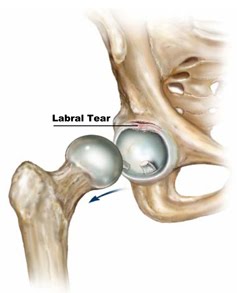
The labrum is a unique structure found in the hip. The labrum is a specialized structure that lines the edge or rim of the hip socket. The shape and function of the labrum can be most easily understood as being similar to a bumper cushion on a pool table. The shape of the labrum is triangular in cross-section. The labrum acts as a cushion between the ball and socket of the hip joint during flexion of the hip.

The labrum is filled with nerve fibers that make tears in the labrum very painful.

What causes a labral tear?hip-labral-tear

Labral tears typically occur from:

  • Repetitive motion. Physical activity that requires one to repeatedly pivot the body can lead to joint wear and tear. This is common in athletes such as golfers and baseball players, who must repeatedly twist their bodies to hit a ball.
  • Osteoarthritis. Increased friction from osteoarthritis symptoms inside the hip joint may lead to labral tear.
  • Trauma. Dislocation or violent, direct impact to the hip joint may cause labral tears. This is common in athletes and victims of car accidents.
  • Birth defects. Some people are born with abnormal hip structures, which increase the progression of wear and tear on the hip joint. These problems may lead to labral tears.

What does it feel like?

Some labral tears cause no signs or symptoms; however, when symptoms are present, they include:

  • Radiating pain in the hip and groin
  • A catching or locking sensation in the hip joint
  • Stiffness in the joint
  • A limited range of motion

How do I know if I have a labral tear?

A physical examination by your doctor will help diagnose the cause of your symptoms. X-rays will allow your physician to take a closer look at the bone and rule out other possible underlying conditions. Magnetic resonance imaging (MRI) may also be used to further examine the soft tissues.

How are labral tears treated?

The level of treatment depends upon the severity of the condition. Some patients recover in only a few weeks using conservative treatments. However, patients with severe labral tearing may require surgery. One or a combination of these treatments may be used:

  • Rest and activity modification. By resting and allowing the inflammation of the joint to settle down, symptoms may be alleviated.
  • Medication. Anti-inflammatory medicines may help alleviate the pain and inflammation associated with labral tears. Your doctor may also recommend cortisone injections.
  • Physical therapy. Learning new exercises can help maximize hip range of motion, strength, and stability.
  • Surgery. In general, labral tears can be either repaired or trimmed during an arthroscopic procedure. Depending on the severity of the tear, the surgeon may cut out and remove the torn piece of labrum or repair the torn tissue by sewing it back together.

According to Dr. Watt, “Hopefully Percy will continue his recovery and return to the field soon. If you think you have labral tear or hip condition that is not getting better, I would be happy to evaluate your hip and devise an appropriate treatment plan.”


In the words of Russell Wilson, “Go Hawks!”